On Thursday, former President Donald J. Trump was formally charged in federal court following a lengthy investigation led by a Special…
Counsel appointed by the U.S. Department of Justice. The charges stem from Trump’s alleged conduct in the period following the 2020 United States presidential election.
Particularly actions prosecutors say were aimed at overturning the certified election results and disrupting the lawful transfer of presidential power.
The indictment was filed in the United States District Court for the District of Columbia and was returned by a federal grand jury, marking one of the most consequential criminal cases involving a former U.S. president in American history.
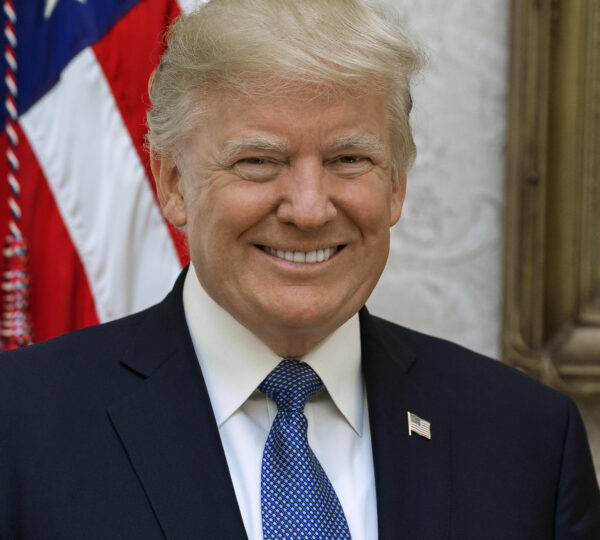
According to the indictment, Trump faces four separate felony counts, each tied to alleged efforts to undermine the election certification process and interfere with democratic institutions.
Federal prosecutors allege that Trump, along with several unnamed co-conspirators, engaged in a coordinated and sustained campaign to challenge and obstruct the lawful counting, certification, and recognition of electoral votes after the election had been decided.
The Department of Justice emphasized that the case focuses not on Trump’s right to contest the election or express opinions, but on alleged unlawful actions taken to interfere with the constitutional process.
Background of the 2020 Election
The 2020 presidential election was held on November 3, 2020, amid unprecedented circumstances due to the COVID-19 pandemic, which led to increased use of mail-in and early voting across many states.
After votes were counted and certified by state officials, Joseph R. Biden Jr. was declared the winner, having secured both the popular vote and a majority of Electoral College votes.
Numerous recounts, audits, and court challenges were conducted in key battleground states, none of which altered the outcome of the election.
Despite these results, Trump publicly and repeatedly claimed that the election had been stolen through widespread fraud. Courts at both the state and federal level rejected dozens of lawsuits filed by Trump and his allies, often citing lack of evidence or lack of standing.
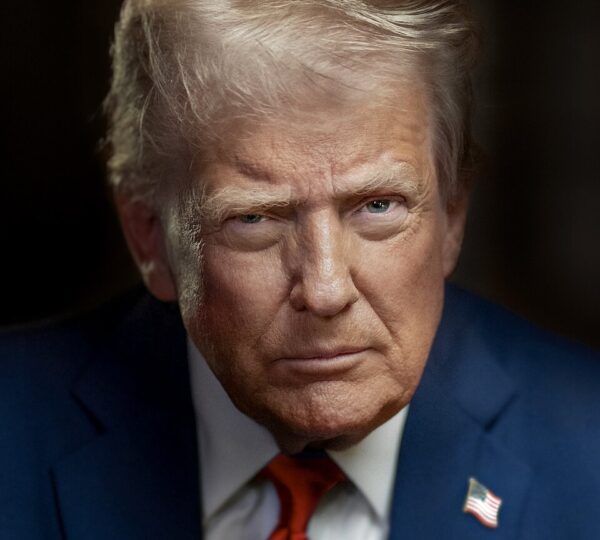
State and federal election officials, including members of Trump’s own administration, stated that there was no evidence of fraud on a scale that could have changed the outcome.
Count One: Conspiracy to Defraud the United States
The first charge in the indictment is Conspiracy to Defraud the United States, in violation of 18 U.S.C. § 371. Prosecutors allege that Trump knowingly entered into an agreement with others to impair, obstruct, and defeat the lawful functions of the federal government through deceitful and dishonest means.
According to the indictment, Trump is alleged to have knowingly spread false claims that the election was rigged or fraudulent, despite being repeatedly informed by advisors, campaign staff, and government officials that such claims were unsupported by evidence.
Prosecutors contend that these false statements were used to justify attempts to interfere with the federal government’s role in collecting, counting, and certifying votes.
The charge does not require proof of financial fraud but instead focuses on interference with governmental operations through deception.
Counts Two and Three: Obstruction of an Official Proceeding
The second charge is Conspiracy to Obstruct an Official Proceeding, under 18 U.S.C. § 1512(k). This count alleges that Trump conspired with others to obstruct the joint session of Congress on January 6, 2021, during which members of Congress were constitutionally required to certify the Electoral College results.
The third charge, Obstruction of and Attempt to Obstruct an Official Proceeding, under 18 U.S.C. §§ 1512(c)(2) and 2, alleges that Trump took concrete steps beyond planning and agreement, actively attempting to interfere with the certification process.
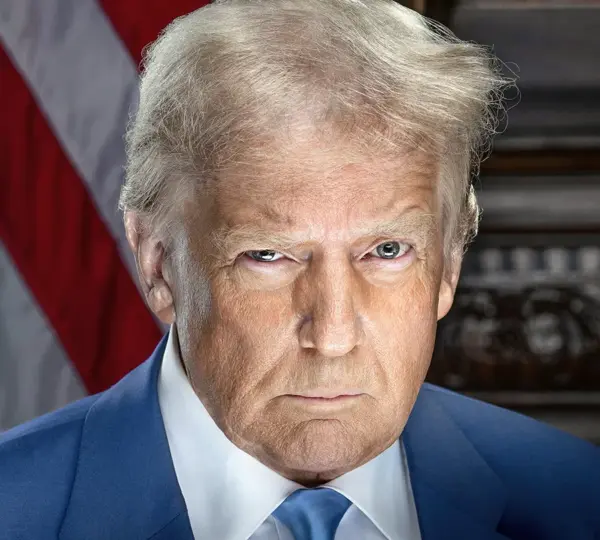
Prosecutors argue that Trump’s actions included public statements, private communications, and pressure campaigns designed to delay or prevent Congress from completing its constitutional duty.
Central to these charges are allegations that Trump pressured Vice President Mike Pence, who presided over the January 6 joint session, to reject or delay the certification of electoral votes.
Pence and his legal advisors concluded that the vice president had no constitutional authority to alter or reject state-certified electoral votes.
The indictment alleges that Trump continued to pursue this strategy despite being informed it lacked legal basis.
Count Four: Conspiracy Against Rights
The fourth and final charge is Conspiracy Against Rights, under 18 U.S.C. § 241, a civil rights statute enacted to protect individuals from conspiracies that interfere with constitutionally guaranteed rights.
Prosecutors allege that Trump and others knowingly agreed to interfere with the right of U.S. citizens to have their votes counted and respected.
This count focuses on alleged efforts to undermine the voting rights of millions of Americans by attempting to discard legitimate votes or replace certified electors with alternative slates not recognized by state authorities.
The indictment claims these actions were aimed at nullifying lawful votes and disrupting the democratic process, rather than correcting legitimate election irregularities.
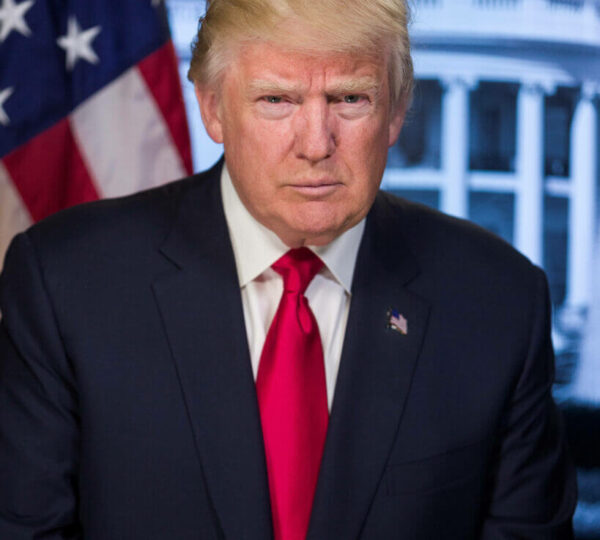
Alleged Scheme and Phases of Conduct
The indictment outlines what prosecutors describe as a multi-phase effort to overturn the election. These phases allegedly included:
Public dissemination of false claims regarding election fraud.
Pressure on state election officials to change or reject certified results.
Efforts to organize alternative slates of electors in certain states.
Attempts to influence the Vice President and Congress during the January 6 certification.
Exploitation of the January 6 attack on the U.S. Capitol, according to prosecutors, by delaying efforts to stop the violence while certification was halted.
The Department of Justice emphasizes that the indictment does not criminalize political speech or lawful challenges to election results but instead focuses on alleged actions taken to obstruct constitutional processes through unlawful means.
Trump’s Response and Legal Defense
Trump has pleaded not guilty to all charges. He has consistently denied wrongdoing and characterized the prosecution as politically motivated.
His legal team argues that Trump’s statements and actions were protected by the First Amendment, and that decisions made while he was president fall within the scope of executive authority.
Defense attorneys have also raised arguments regarding presidential immunity, asserting that a former president should not face criminal charges for actions taken while in office.
These issues have been the subject of extensive pre-trial litigation and appellate review, highlighting the unprecedented legal questions raised by the case.
Broader Legal Context
This indictment is one of several legal cases Trump has faced since leaving office. Other matters involve allegations related to classified documents, business practices, and state-level election issues.
Each case is legally distinct and proceeds independently, with its own evidence, timelines, and judicial rulings.
The January 6-related case, however, stands apart due to its focus on the core democratic process of electing and certifying a president.
Legal experts have noted that the outcome of this case could have lasting implications for constitutional law, executive power, and future elections.
Ongoing Proceedings and Public Importance
As of now, the case remains ongoing. Courts continue to address procedural and constitutional questions, including motions to dismiss and appeals related to immunity and statutory interpretation.
No final judgment has been reached, and Trump is presumed innocent under the law until proven guilty beyond a reasonable doubt.
The Department of Justice has stated that the case is intended to uphold the rule of law and protect democratic institutions, regardless of political affiliation.
Supporters of Trump, meanwhile, argue that the prosecution represents an overreach of federal authority.
Conclusion
The charges filed against Donald J. Trump represent a historic legal moment in the United States. At issue are fundamental questions about the limits of presidential power, the integrity of elections, and accountability under the law.
While the judicial process continues, the case underscores the importance of constitutional procedures and the peaceful transfer of power — principles that have long defined American democracy.
On Thursday, former President Donald J. Trump was formally charged in federal court following a lengthy investigation led by a Special…
Counsel appointed by the U.S. Department of Justice. The charges stem from Trump’s alleged conduct in the period following the 2020 United States presidential election.
Particularly actions prosecutors say were aimed at overturning the certified election results and disrupting the lawful transfer of presidential power.
The indictment was filed in the United States District Court for the District of Columbia and was returned by a federal grand jury, marking one of the most consequential criminal cases involving a former U.S. president in American history.
According to the indictment, Trump faces four separate felony counts, each tied to alleged efforts to undermine the election certification process and interfere with democratic institutions.
Federal prosecutors allege that Trump, along with several unnamed co-conspirators, engaged in a coordinated and sustained campaign to challenge and obstruct the lawful counting, certification, and recognition of electoral votes after the election had been decided.
The Department of Justice emphasized that the case focuses not on Trump’s right to contest the election or express opinions, but on alleged unlawful actions taken to interfere with the constitutional process.
Background of the 2020 Election
The 2020 presidential election was held on November 3, 2020, amid unprecedented circumstances due to the COVID-19 pandemic, which led to increased use of mail-in and early voting across many states.
After votes were counted and certified by state officials, Joseph R. Biden Jr. was declared the winner, having secured both the popular vote and a majority of Electoral College votes.
Numerous recounts, audits, and court challenges were conducted in key battleground states, none of which altered the outcome of the election.
Despite these results, Trump publicly and repeatedly claimed that the election had been stolen through widespread fraud. Courts at both the state and federal level rejected dozens of lawsuits filed by Trump and his allies, often citing lack of evidence or lack of standing.
State and federal election officials, including members of Trump’s own administration, stated that there was no evidence of fraud on a scale that could have changed the outcome.
Count One: Conspiracy to Defraud the United States
The first charge in the indictment is Conspiracy to Defraud the United States, in violation of 18 U.S.C. § 371. Prosecutors allege that Trump knowingly entered into an agreement with others to impair, obstruct, and defeat the lawful functions of the federal government through deceitful and dishonest means.
According to the indictment, Trump is alleged to have knowingly spread false claims that the election was rigged or fraudulent, despite being repeatedly informed by advisors, campaign staff, and government officials that such claims were unsupported by evidence.
Prosecutors contend that these false statements were used to justify attempts to interfere with the federal government’s role in collecting, counting, and certifying votes.
The charge does not require proof of financial fraud but instead focuses on interference with governmental operations through deception.
Counts Two and Three: Obstruction of an Official Proceeding
The second charge is Conspiracy to Obstruct an Official Proceeding, under 18 U.S.C. § 1512(k). This count alleges that Trump conspired with others to obstruct the joint session of Congress on January 6, 2021, during which members of Congress were constitutionally required to certify the Electoral College results.
The third charge, Obstruction of and Attempt to Obstruct an Official Proceeding, under 18 U.S.C. §§ 1512(c)(2) and 2, alleges that Trump took concrete steps beyond planning and agreement, actively attempting to interfere with the certification process.
Prosecutors argue that Trump’s actions included public statements, private communications, and pressure campaigns designed to delay or prevent Congress from completing its constitutional duty.
Central to these charges are allegations that Trump pressured Vice President Mike Pence, who presided over the January 6 joint session, to reject or delay the certification of electoral votes.
Pence and his legal advisors concluded that the vice president had no constitutional authority to alter or reject state-certified electoral votes.
The indictment alleges that Trump continued to pursue this strategy despite being informed it lacked legal basis.
Count Four: Conspiracy Against Rights
The fourth and final charge is Conspiracy Against Rights, under 18 U.S.C. § 241, a civil rights statute enacted to protect individuals from conspiracies that interfere with constitutionally guaranteed rights.
Prosecutors allege that Trump and others knowingly agreed to interfere with the right of U.S. citizens to have their votes counted and respected.
This count focuses on alleged efforts to undermine the voting rights of millions of Americans by attempting to discard legitimate votes or replace certified electors with alternative slates not recognized by state authorities.
The indictment claims these actions were aimed at nullifying lawful votes and disrupting the democratic process, rather than correcting legitimate election irregularities.
Alleged Scheme and Phases of Conduct
The indictment outlines what prosecutors describe as a multi-phase effort to overturn the election. These phases allegedly included:
Public dissemination of false claims regarding election fraud.
Pressure on state election officials to change or reject certified results.
Efforts to organize alternative slates of electors in certain states.
Attempts to influence the Vice President and Congress during the January 6 certification.
Exploitation of the January 6 attack on the U.S. Capitol, according to prosecutors, by delaying efforts to stop the violence while certification was halted.
The Department of Justice emphasizes that the indictment does not criminalize political speech or lawful challenges to election results but instead focuses on alleged actions taken to obstruct constitutional processes through unlawful means.
Trump’s Response and Legal Defense
Trump has pleaded not guilty to all charges. He has consistently denied wrongdoing and characterized the prosecution as politically motivated.
His legal team argues that Trump’s statements and actions were protected by the First Amendment, and that decisions made while he was president fall within the scope of executive authority.
Defense attorneys have also raised arguments regarding presidential immunity, asserting that a former president should not face criminal charges for actions taken while in office.
These issues have been the subject of extensive pre-trial litigation and appellate review, highlighting the unprecedented legal questions raised by the case.
Broader Legal Context
This indictment is one of several legal cases Trump has faced since leaving office. Other matters involve allegations related to classified documents, business practices, and state-level election issues.
Each case is legally distinct and proceeds independently, with its own evidence, timelines, and judicial rulings.
The January 6-related case, however, stands apart due to its focus on the core democratic process of electing and certifying a president.
Legal experts have noted that the outcome of this case could have lasting implications for constitutional law, executive power, and future elections.
Ongoing Proceedings and Public Importance
As of now, the case remains ongoing. Courts continue to address procedural and constitutional questions, including motions to dismiss and appeals related to immunity and statutory interpretation.
No final judgment has been reached, and Trump is presumed innocent under the law until proven guilty beyond a reasonable doubt.
The Department of Justice has stated that the case is intended to uphold the rule of law and protect democratic institutions, regardless of political affiliation.
Supporters of Trump, meanwhile, argue that the prosecution represents an overreach of federal authority.
Conclusion
The charges filed against Donald J. Trump represent a historic legal moment in the United States. At issue are fundamental questions about the limits of presidential power, the integrity of elections, and accountability under the law.
While the judicial process continues, the case underscores the importance of constitutional procedures and the peaceful transfer of power — principles that have long defined American democracy.