Throughout the more than two‑century history of the United States, the office of the presidency has weathered triumphs and crises, successes and failures.
Some leaders are remembered for bold, effective leadership; others are defined — fairly or not — by controversy, perceived missteps, or the long‑term consequences of their decisions.
Historians, political scientists, and public opinion often assess presidents based on their responses to national crises, policy impact, moral leadership, and the lasting effects of their terms.
The following ten presidents — not listed in strict rank order — are frequently discussed in scholarly surveys and public debate as among the most ineffective, controversial, or damaging in their time in office.
1. James Buchanan (1857–1861)
James Buchanan is widely cited by historians as one of the least effective presidents in U.S. history. As sectional tensions over slavery mounted in the late 1850s, Buchanan struggled to provide decisive leadership.
Instead of addressing the looming crisis, he attempted to placate both Northern and Southern factions in ways that only deepened distrust.
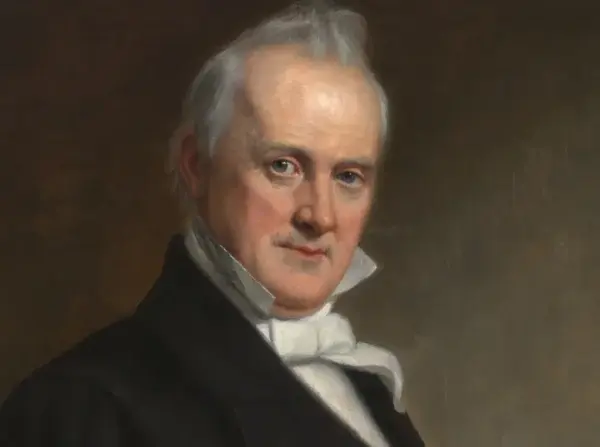
Buchanan supported the pro‑slavery Lecompton Constitution in Kansas and believed the Constitution limited his authority to prevent secession after Abraham Lincoln’s election — positions that left him paralyzed as Southern states began to leave the Union.
Many historians argue his inaction helped set the stage for the Civil War. In surveys of presidential greatness and effectiveness, Buchanan routinely ranks at or near the bottom of the list.
2. Andrew Johnson (1865–1869)
Andrew Johnson assumed the presidency after Abraham Lincoln’s assassination, inheriting the immense task of reunifying a fractured nation and managing Reconstruction after the Civil War.
His approach to Reconstruction, however, was deeply contentious. Johnson opposed many measures passed by the Republican‑controlled Congress designed to protect the rights of newly freed African Americans and to restructure Southern society.
Instead, he adopted lenient policies toward former Confederate leaders and resisted civil rights legislation, contributing to decades of racial inequality.
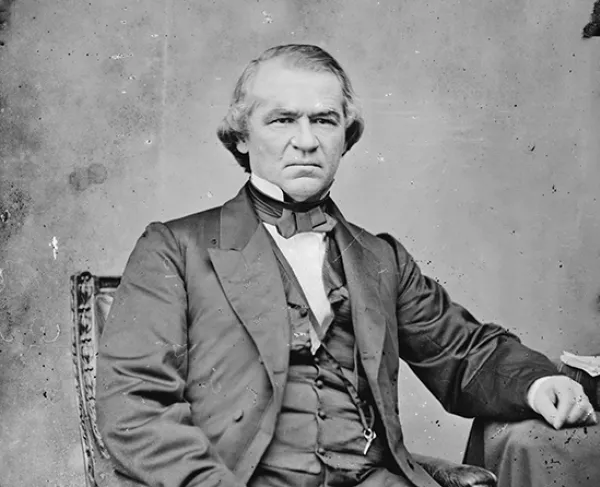
Conflict with Congress resulted in his impeachment by the House of Representatives in 1868 — though he was later acquitted by a single vote in the Senate. Johnson’s legacy remains controversial for both his policies and his role in shaping post‑war America.
3. Herbert Hoover (1929–1933)
Herbert Hoover served as president during one of the darkest periods in American economic history: the onset of the Great Depression.
When the stock market crashed in 1929 and unemployment soared, Hoover’s response was widely viewed as inadequate. He believed in limited federal intervention, emphasizing voluntary cooperation and local relief over direct federal aid.
Many historians argue his policies failed to stem the economic freefall, exacerbating suffering and contributing to widespread hardship.
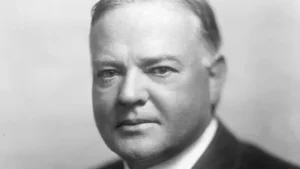
The Smoot‑Hawley Tariff Act of 1930, which raised tariffs on imported goods, is often criticized for worsening global trade and deepening the downturn. Hoover’s unpopularity helped usher in the New Deal era under Franklin D. Roosevelt.
4. Richard Nixon (1969–1974)
Richard Nixon’s presidency is a study in contrast. Early in his term, he oversaw significant diplomatic achievements, including opening relations with China and negotiating arms control agreements with the Soviet Union.
However, his legacy is overwhelmingly overshadowed by the Watergate scandal, a political crisis that revealed multiple abuses of power within his administration.
After the break‑in at the Democratic National Committee headquarters and the subsequent cover‑up efforts, Nixon became the first U.S. president to resign from office rather than face almost certain impeachment.
Watergate’s impact was so profound that it reshaped public trust in government and led to reforms like the Presidential Records Act and ethics laws aimed at increasing executive accountability.
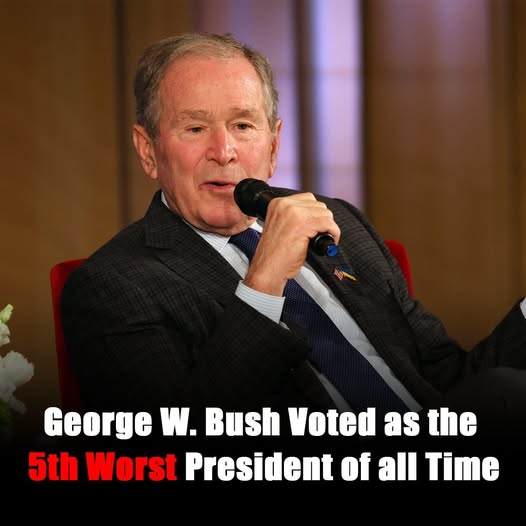
5. George W. Bush (2001–2009)
George W. Bush’s presidency was shaped by extraordinary challenges, including the terrorist attacks of September 11, 2001. His response to those attacks — especially the wars in Afghanistan and Iraq — defined much of his legacy.
The decision to invade Iraq in 2003, justified in large part by claims that Iraq possessed weapons of mass destruction, later proved unfounded and contributed to prolonged conflict, regional instability, and the rise of extremist groups such as ISIS.
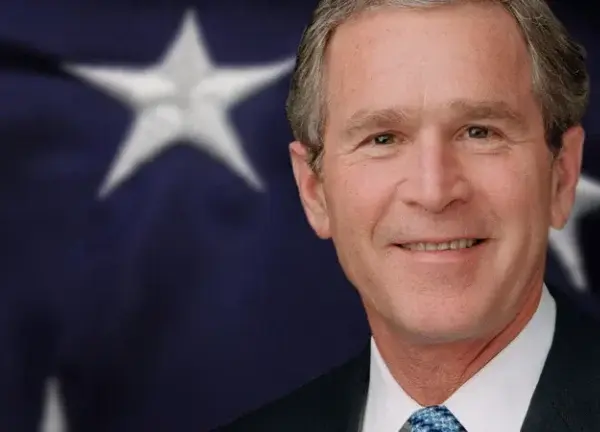
In addition, Bush’s administration faced criticism for its handling of Hurricane Katrina in 2005, during which federal response efforts were seen as slow and disorganized, and for a financial crisis that erupted in 2008.
While some praise parts of his leadership, many historians and analysts view these issues as significant blunders that marred his presidency.
6. Andrew Jackson (1829–1837)
Andrew Jackson was a towering figure in early 19th‑century American politics, known for his populist appeal and strong executive style. Yet his presidency is deeply controversial, especially regarding his treatment of Native American nations.
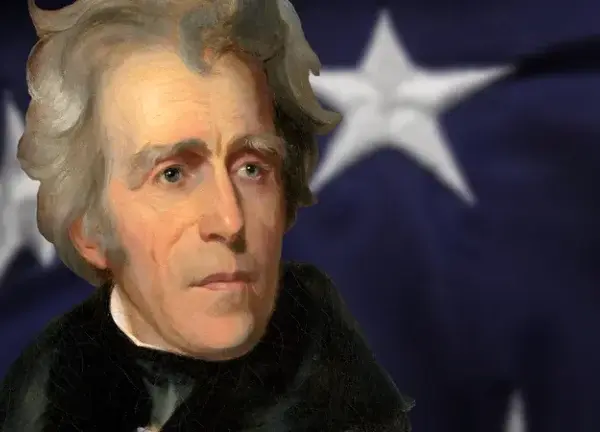
Jackson championed the Indian Removal Act of 1830, which authorized the forced relocation of thousands of Native Americans from their ancestral homelands in the Southeast to territories west of the Mississippi River — a journey that became known as the Trail of Tears and resulted in immense suffering and thousands of deaths.
While some praise Jackson for expanding the power of the presidency and advocating for the “common man,” his policies toward Indigenous peoples and his defiance of judicial authority remain major stains on his legacy.
7. Barack Obama (2009–2017)
Barack Obama left office with consistently strong historical rankings compared to some others on this list. However, he remains controversial among certain audiences for aspects of his presidency.
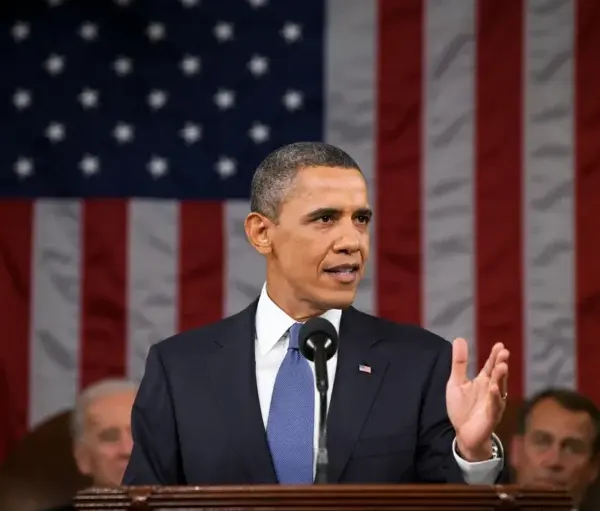
Critics point to foreign policy decisions, including the expansion of drone warfare in counterterrorism efforts, involvement in conflicts in Libya and Syria, and continued military operations without clear long‑term strategy.
Domestically, his signature Affordable Care Act reshaped U.S. healthcare but generated intense political backlash and polarization. While many historians and voters commend Obama for navigating economic recovery after the 2008 recession and for numerous social initiatives, his critics argue that his policies intensified partisan divisions and that some actions lacked foresight or consensus.
(Note: this overview reflects public debate and criticism; ranking scholars often rate Obama more favorably overall.)
8. Lyndon B. Johnson (1963–1969)
Lyndon B. Johnson’s presidency was marked by major legislative achievements — especially in the areas of civil rights, voting rights, and anti‑poverty programs known as the “Great Society.”
These reforms fundamentally reshaped American society. However, his legacy is deeply overshadowed by the Vietnam War.
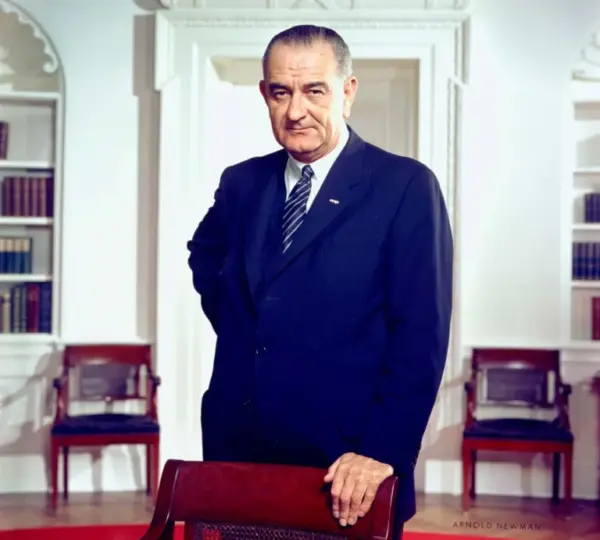
Johnson escalated U.S. military involvement in Vietnam, leading to a drawn‑out conflict that cost tens of thousands of American lives and deeply divided the nation.
Public opposition grew as the war dragged on, eroding trust in government and contributing to widespread social unrest. The war’s unpopularity forever complicated LBJ’s legacy despite his domestic accomplishments.
9. Jimmy Carter (1977–1981)
Jimmy Carter’s presidency was challenged by a series of difficult domestic and international issues. The U.S. economy suffered from high inflation, slow growth, and an energy crisis, leading to widespread public frustration.
The Iran hostage crisis, in which 52 Americans were held for 444 days, further damaged confidence in his leadership and became a defining narrative of his time in office.
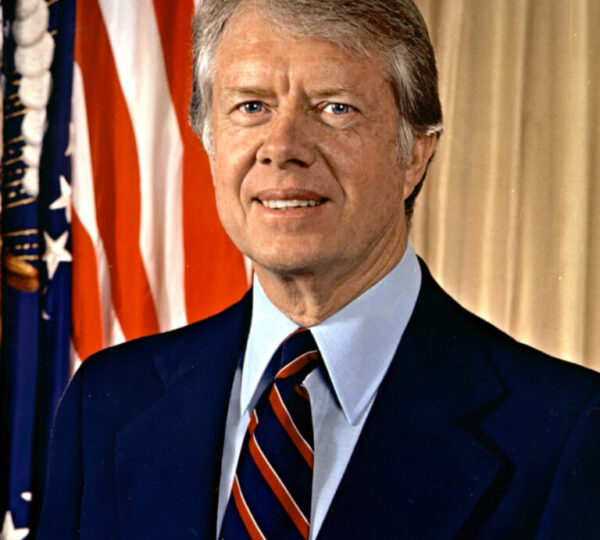
Because of these challenges, Carter’s approval ratings plummeted, and he lost re‑election to Ronald Reagan in 1980. In subsequent decades, Carter rehabilitated much of his reputation through humanitarian work with the Carter Center, including disease eradication and election monitoring — even earning the Nobel Peace Prize in 2002 for his global efforts.
Nonetheless, his presidency itself remains a frequent subject of criticism for perceived ineffectiveness in crisis management.
What Makes a “Least Effective” President?
It’s important to recognize that labeling a president as “least effective” is not simply a matter of personal dislike. Historians and scholars often evaluate presidents using criteria such as:
Crisis management: How effectively did they respond to economic, military, or social emergencies?
Policy impact: Did their decisions lead to long‑term stability, growth, or harm?
Leadership and unity: Did they inspire confidence and cohesion, or deepen divisions?
Legacy and long‑term consequences: Did their actions strengthen or weaken American institutions and global standing?
These evaluations evolve over time. Some leaders once regarded negatively later gain esteem as new evidence emerges or perspectives shift. Conversely, actions previously seen neutrally may come under greater scrutiny as historical consequences unfold.
Conclusion
Every U.S. presidency leaves a legacy — some uplifting and transformative, others cautionary and controversial.
The presidents discussed here are often highlighted for choices and circumstances that had negative or divisive impacts, whether due to missteps in crisis management, moral failures, or decisions that shaped the nation in ways many later judged poorly.
Understanding their presidencies helps illuminate how leadership decisions — in moments of crisis and calm alike — can resonate far beyond a single four‑ or eight‑year term.
In studying history’s contentious leaders, scholars and citizens alike gain insight into the challenges of executive power and the enduring consequences of presidential action.