On Saturday, December 13, 2025, Los Angeles looked like it always does when the city decides to dress up for itself—warm lights spilling from patios, valet lines curling around restaurants, the kind of December night where the air feels expensive even if you’re just passing through it.
Rob Reiner and Michele Singer Reiner were out in that glow.

Not on a movie set. Not on a red carpet with a step-and-repeat wall. Just out—together—moving through a holiday gathering that, by all accounts, was supposed to be easy. A little music, familiar faces, laughter that didn’t ask you to perform. The kind of night people picture when they imagine a longtime couple who has survived the storms of public life and made it to the calmer part of the ocean.
And then, hours later, the story turned into something nobody could make sense of at first—because the details didn’t fit the image people carried of them.
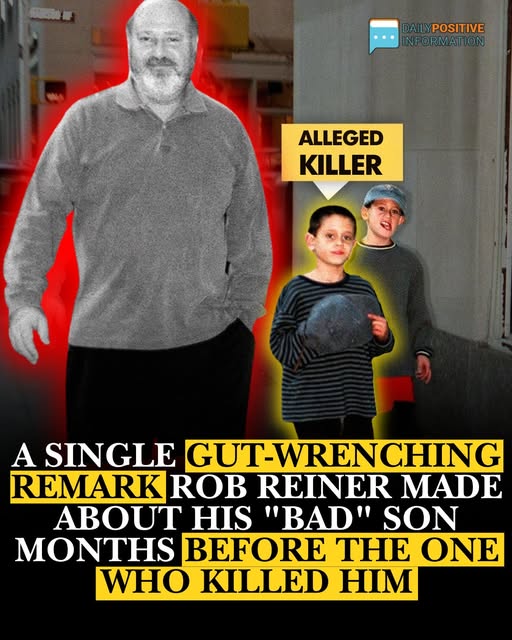
By Sunday, December 14, 2025, law enforcement was investigating their deaths as a homicide. And before the city could even catch its breath, attention swung—hard—toward the couple’s adult son, Nick Reiner, who was arrested in connection with the case, according to multiple major outlets reporting on the developing investigation.
That’s the part that makes people stare at the screen a second too long.
Because when a tragedy sits at the intersection of fame and family, it doesn’t feel like news. It feels like a house light snapping on in a room you weren’t supposed to see.
The Argument People Say They Heard
The first reports that began circulating had a familiar Hollywood rhythm: a party, a confrontation, a moment that drew eyes across the room.
The couple had reportedly attended a Christmas gathering hosted by Conan O’Brien the night before the deaths. Accounts published in the aftermath described a loud argument between Rob and Nick at the event—sharp enough, reportedly, to be noticed by others. The specifics have been described differently depending on the source, and what matters most right now is this: investigators are working timelines, separating what was witnessed from what was assumed, and building a picture of the hours leading up to Sunday.
In families—famous or not—arguments can be ordinary. They can also be the kind of warning bell people only recognize after everything is already gone. The human brain wants a single, clean “this is when it started,” because it’s easier to hold onto one moment than to accept how messy reality can be.
But investigations don’t run on neat story arcs.
They run on time stamps, phone records, interviews that repeat the same questions until the answers stop shifting, and small facts that don’t seem important until they’re stacked together.